


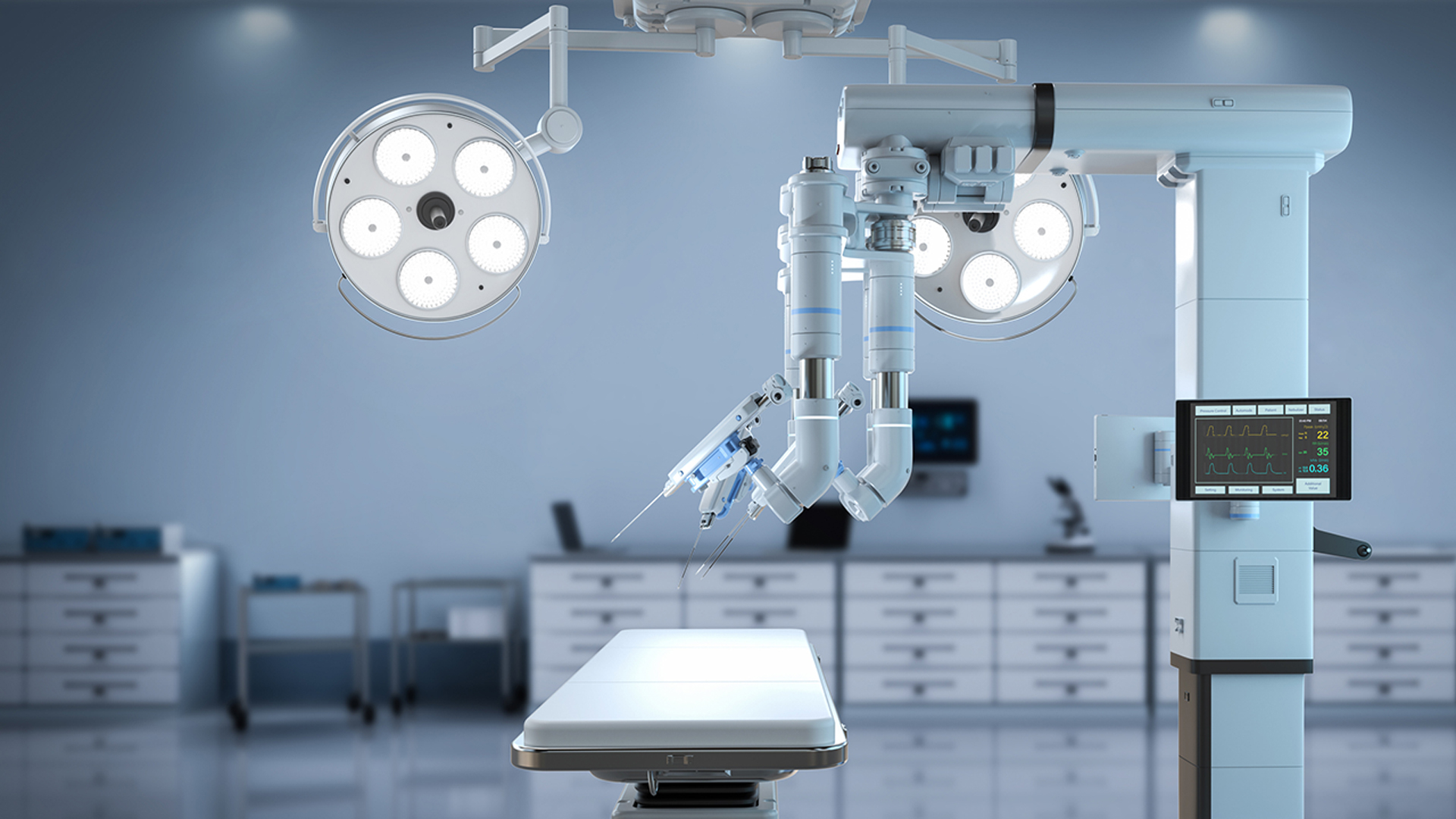
Your Guide to Strategic Medical Procurement
Procuring medical equipment and supplies in Nigeria involves more than just placing an order. It requires careful planning, regulatory knowledge, budget alignment, and reliable logistics. Our procurement guides distil years of hands‑on experience into clear, actionable steps — helping hospitals, clinics, and health programmes avoid costly mistakes and delays.
Whether you’re equipping a new ward, replacing outdated devices, or managing a donor‑funded programme, these resources will empower your team to make informed, compliant, and cost‑effective purchasing decisions.
The Medical Procurement Lifecycle
1. Needs Assessment
Identify clinical requirements, infrastructure gaps, and user needs. We help you perform facility audits and create a prioritised equipment list aligned with your service goals.
2. Budget & Financing
Develop realistic budgets covering equipment, installation, duties, and lifecycle costs. We provide cost‑benefit analyses and funding strategy support for capital projects.
3. Vendor Sourcing & Evaluation
Identify reputable manufacturers and suppliers. Our market intelligence helps you compare specifications, warranties, and after‑sales support, not just price.
4. Regulatory Compliance Check
Verify NAFDAC registration, SON‑CAP certificates, and international standards. This step prevents customs holds and ensures the equipment is legally approved for use.
5. Import & Logistics
Plan shipping, insurance, and port clearance. Our logistics team manages Form M, PAAR, and delivery to your site, mitigating transit risks.
6. Installation & Commissioning
Professional setup, calibration, and user orientation. We ensure your equipment is fully functional and operators are trained before handover.
7. Inventory & Lifecycle Management
Implement tracking systems for consumables, spare parts, and maintenance schedules. Our inventory solutions reduce downtime and waste.
8. Continual Review
Regularly reassess equipment performance, technology upgrades, and changing regulations. We help you stay current and maximise ROI.
Common Procurement Mistakes & How to Avoid Them
- Focusing only on purchase price: Ignoring installation, training, and maintenance costs can blow your budget.
- Inadequate site readiness: Power requirements, space, and environmental conditions must be verified before equipment arrives.
- Ignoring local regulations: Importing unregistered devices leads to confiscation or fines. Always check NAFDAC and SON requirements.
- Poor vendor vetting: Always request references, check after‑sales support infrastructure, and verify ISO certifications.
- Skipping user training: Even the best equipment fails if staff are not properly trained on operation and basic troubleshooting.
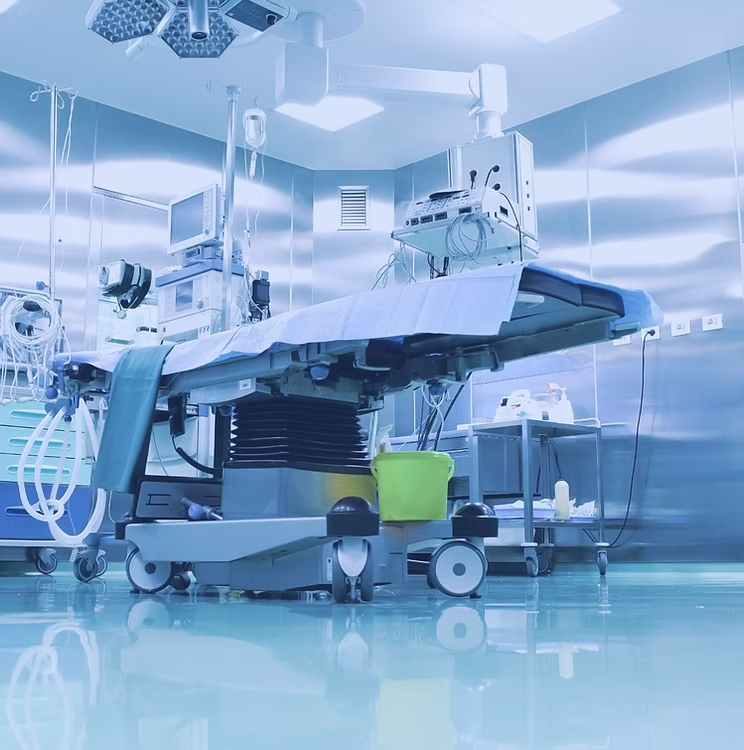
Procurement Guides FAQ
Ideally 4‑6 months for imported equipment, considering manufacturing lead times, shipping, customs clearance, and site preparation. We manage the timeline for you.
Yes. Our bulk/institutional procurement service coordinates multi‑site deliveries, uniform specifications, and consolidated logistics, reducing costs and administrative burden.
We create customised procurement checklists for imaging, laboratory, ICU, and theatre equipment, detailing technical specs, regulatory requirements, and installation prerequisites.
Absolutely. Our consultancy team helps draft technical specifications, evaluation criteria, and tender documents that comply with public procurement regulations.